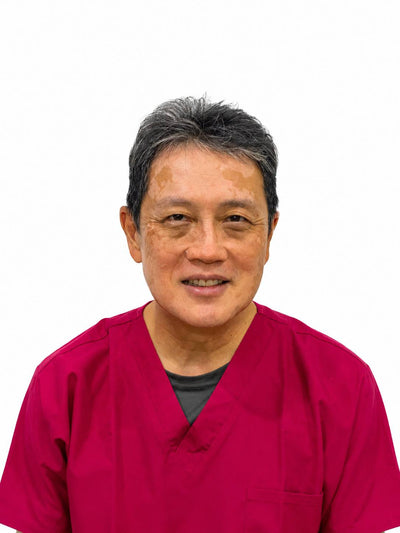
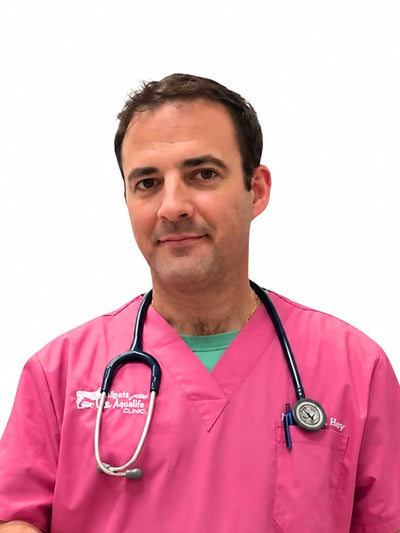
Species-Specific Veterinary Treatment, Surgery & Husbandry Advice
Exotic pets have medical needs that differ considerably from those of dogs and cats.
Rabbits and guinea pigs have specialised digestive systems and continuously growing teeth. Birds have distinctive respiratory and nutritional requirements. Reptiles depend on appropriate environmental temperatures and, for many species, ultraviolet lighting. Fish require suitable water chemistry and aquatic conditions to remain healthy.
At Allpets & Aqualife Veterinary Clinic in Singapore, our veterinarians provide medical assessment and care for birds, reptiles, small mammals and aquatic animals.
Our approach considers not only the animal's symptoms but also its species, diet, housing, environment and husbandry.
What Animals Are Considered Exotic Pets?
In veterinary medicine, exotic pets generally refer to companion animals outside the traditional dog and cat categories.
Examples include:
-
Rabbits
-
Guinea pigs
-
Chinchillas
-
Hamsters and other small mammals
-
Parrots and other companion birds
-
Tortoises and terrapins
-
Lizards and snakes
-
Ornamental and aquarium fish
-
Selected other exotic animals
Not every veterinarian treats every exotic species or performs every procedure.
Owners should confirm species-specific appointment availability before travelling to the clinic.
Why Do Exotic Pets Need Species-Specific Veterinary Care?
Different species have distinct anatomy, metabolism, nutritional requirements and responses to medication.
A treatment appropriate for one animal may be unsafe for another.
Veterinary assessment may therefore involve evaluating:
-
Species and age
-
Diet and nutritional balance
-
Housing and enclosure conditions
-
Temperature and humidity
-
Water quality for aquatic animals
-
Lighting and UVB exposure for reptiles
-
Recent behavioural changes
-
Droppings, appetite and activity
-
Existing medical conditions
Correct husbandry is an important part of preventing and managing many exotic animal diseases.
Rabbit & Small Mammal Veterinary Care
Rabbits, guinea pigs, chinchillas and other small mammals can develop dental problems, digestive illness, skin disease, respiratory problems and other medical conditions.
Some illnesses progress quickly, particularly when animals stop eating.
Veterinary services may include medical examinations, dental assessment, diagnostic investigations, abscess management and selected surgical procedures.
Learn More: Rabbit & Small Mammal Veterinary Care in Singapore
Bird & Avian Veterinary Care
Companion birds may develop respiratory disease, nutritional deficiencies, feather problems, beak abnormalities and reproductive disorders.
Birds can conceal signs of illness until disease becomes advanced.
Allpets lists avian procedures including beak trimming and reshaping, selected surgical procedures, air-sac cannulation, intraosseous catheterisation, hormonal implants and DNA sexing through an external laboratory.
These procedures are undertaken only when indicated and clinically appropriate.
Learn More: Bird & Avian Veterinary Care in Singapore
Reptile, Tortoise & Terrapin Veterinary Care
Reptiles require species-appropriate temperature, humidity, lighting, nutrition and enclosure conditions.
Veterinary concerns may include shell abnormalities, respiratory infections, retained shedding, metabolic bone disease, parasites and reproductive problems.
Allpets lists reptile and chelonian treatment, endoscopic procedures and surgery among its services.
Learn More: Reptile, Tortoise & Terrapin Veterinary Care in Singapore
Fish & Aquatic Animal Veterinary Care
Fish health depends on both the individual animal and its aquatic environment.
Poor water quality, parasitic disease, bacterial infection, physical injuries and other conditions may affect ornamental fish.
Allpets lists fish treatment, care and surgery among its services.
Diagnosis may require review of aquarium conditions and, where appropriate, direct examination of the affected fish.
Learn More: Fish & Aquatic Animal Veterinary Care in Singapore
Routine Exotic Pet Surgery
Selected exotic pets may require surgical or procedural treatment.
Examples listed by Allpets include:
-
Nasolacrimal duct flushing
-
Abscess treatment
-
Lump removal
-
Selected soft tissue procedures
-
Reptile and aquatic animal surgery
-
Certain avian procedures
The suitability of surgery depends on species, diagnosis, body size, anaesthetic considerations, available equipment and the veterinarian's assessment.
Complex cases may require referral.
Learn More: Veterinary Surgery for Dogs & Cats in Singapore
What Are the Signs of Illness in Exotic Pets?
Warning signs vary by species but may include:
-
Reduced appetite or refusal to eat
-
Changes in droppings
-
Unusual lethargy
-
Difficulty breathing
-
Weight loss
-
Abnormal movement or posture
-
Swelling or visible lumps
-
Discharge from the eyes or nose
-
Changes in skin, scales, shell or feathers
-
Abnormal swimming in fish
Some exotic animals conceal symptoms. A seemingly minor change can warrant prompt veterinary attention.
How Are Exotic Pet Diseases Diagnosed?
Depending on the species and condition, investigations may include physical examination, faecal testing, blood tests, diagnostic imaging, cytology, microbiology or other procedures.
Not every technique is appropriate or feasible for every animal.
The veterinarian considers the benefits and risks of handling, restraint, sedation and diagnostic sampling.
Learn More: Pet Blood Tests & Laboratory Testing in Singapore
What Should Owners Bring to an Exotic Pet Consultation?
Useful information includes:
-
The animal's species and approximate age
-
Current diet and supplements
-
Details or photographs of the enclosure
-
Temperature, humidity or water-quality readings
-
Lighting and heating equipment
-
Recent changes in appetite, behaviour or droppings
-
Previous treatments or medication
-
Photographs or videos of abnormal symptoms
For aquatic animals, aquarium water parameters and system history can be particularly important.
How Much Does Exotic Pet Veterinary Treatment Cost in Singapore?
Costs depend on the species, examination, diagnostic investigations and treatment required.
Procedures involving anaesthesia, imaging, surgery or hospitalisation may involve additional charges.
Contact the clinic to confirm species acceptance, service availability and current fees.
Exotic Pet Veterinary Care at Allpets & Aqualife Singapore
Allpets & Aqualife Veterinary Clinic provides healthcare for a range of exotic and aquatic pets at 24 Jalan Kelulut, Seletar Hills Estate, Singapore 809041.
Our veterinary team considers species-specific medical and husbandry needs when recommending diagnosis, treatment or referral.
Frequently Asked Questions
Does Allpets & Aqualife treat exotic pets?
Yes. The clinic lists birds, small mammals, reptiles, tortoises, terrapins and fish among the animals it treats. Confirm availability for your particular species when booking.
Do rabbits need a different type of veterinary assessment from dogs?
Yes. Rabbits have distinct dental, digestive and medication requirements, so examination and treatment must be species-appropriate.
Can birds become seriously ill without obvious symptoms?
Yes. Birds may conceal illness, and subtle changes in appetite, activity or droppings can be clinically important.
Can a veterinarian treat sick aquarium fish?
Yes. Fish medicine may involve assessment of the animal, aquarium water quality, environmental management and treatment of specific diseases.
Do reptiles need veterinary check-ups?
Reptiles can benefit from species-specific veterinary assessment, particularly when appetite, shedding, mobility, breathing or shell condition changes.
Can exotic pets undergo surgery?
Selected exotic animals can undergo surgery when clinically indicated, but anaesthetic and surgical suitability depends on species, condition and available resources.